
September 10, 2026
September 10, 2026
Most people reach journeyman level in four to five years of on-the-job training. They then log another two years of work experience before qualifying for a master electrician license.
That is the short answer for those asking how long it takes to become an electrician. Beneath that question is a broader consideration regarding when you will start earning money and working as an electrician.
The Bureau of Labor Statistics projects 9% job growth for electricians from 2024 to 2034, much faster than the average for all occupations, with about 81,000 openings expected each year. That kind of demand means apprentices can expect steady work while they train.
Apprenticeship years are paid job training in an apprenticeship program. You do not sit in a classroom racking up debt.
Instead, an apprentice electrician is on a jobsite drawing a paycheck each week. They are building toward a journeyman electrician license and receiving job benefits like vacation time.
This guide covers a typical timeline for becoming a licensed electrician. It details what moves you through each step and what can add months to the process.
We cover the path from a high school diploma or GED to full licensure. This includes the journeyman timeline, the master certification process, and factors affecting your training time.
Here is the complete arc; most candidates hit journeyman status around years four to five. Master electrician requires another block of time, showing up around years six to ten, depending on state requirements.
Here's how it breaks down in most state-registered and JATC programs.
The range exists because each state sets its own hour total and counting rules. Colorado won't credit 8,000 hours earned in under 4 years; Texas will let you sit the exam at 7,000.
Keep in mind that apprenticeship years are not dead time. You earn wages and log hands-on experience at work while mastering code compliance. These hours count toward your overall goal.
This represents the practical sequence from zero experience to certified professional.
A few phases run simultaneously to help you advance quickly. Classroom hours and apprenticeship duties often overlap.
A school diploma or GED is the standard prerequisite for an electrician apprenticeship. Most trade schools and state licensing paths require it.
What matters most from this education stage are the skills needed later for electrical work. These include algebra, reading comprehension, and math for formula-based problem-solving.
Some programs assess algebra readiness before letting you join. Once the basics are covered, the first step is finding a preferred training format.
You have two primary routes to explore. Many people attend trade school first, which satisfies the classroom half of the requirement rather than the on-the-job half; the two are counted separately. Massachusetts, for example, requires 8,000 work hours and 600 classroom hours; Colorado pairs its 8,000 hours with 288 hours of board-approved electrical training. A handful of states and programs will credit prior schooling against field hours, but that is the exception, not the rule.
Some programs let those hours of classroom study reduce training time and field hours. Alternatively, you can proceed into an apprenticeship where classroom training runs alongside jobsite labor.
Both paths cover electrical theory and safety code. However, formal schooling often struggles to develop the speed needed for the electrician licensing exam.
Schools teach the concepts, but test preparation requires targeted National Electrical Code practice. The clock for your career starts when you begin logging official work hours.
Apprenticeships come in several common structures. You might choose a union-affiliated program through the International Brotherhood of Electrical Workers (IBEW) or an independent route, such as the IEC.
Most apprenticeships combine roughly 2,000 hours of paid on-the-job training per year with classroom instruction. The IBEW/NECA inside wireman route is the industry benchmark: 8,000 hours of OJT plus a minimum of 720 hours of related classroom instruction over 4–5 years. Local programs run longer; the Los Angeles Electrical Training Institute is a 5-year program requiring at least 240 classroom hours per year.
State-registered programs can run higher. Colorado and Massachusetts both require a minimum of 8,000 hours over at least 4 years (Colorado State Electrical Board; Massachusetts 237 CMR 13). Check your state board's exact figure before assuming 8,000 hours is the ceiling everywhere.
Specialty tiers run shorter. Colorado's residential wireman license takes 4,000 hours earned in no less than 2 years, that’s half the journeyman requirement. This stage drives the timeline because licensure is built on verified, signed-off hours.
Apprentices earn a paycheck from day one over these years, giving them financial security. Over four years that's roughly 8,000 paid hours instead of tuition payments.
Logging the required 8,000 hours creates the base for your trade. Time alone is not enough to obtain a license.
Two notable credentials sit ahead of you. A journeyman license lets you work with less supervision.
A master electrician takes on more responsibility for the site. This level involves crew oversight, permit authority, and the ability to operate as an electrical contractor.
Renewal cycles and CE requirements differ sharply by state, from Texas's annual 4-hour requirement to California's 32 hours every three years (see the comparison table below). This is the phase where many graduates lose time simply because they didn't check.
Underestimating the test for your license or misreading eligibility rules can stall your progress. Verify exact criteria with your local board before making assumptions. For example, Massachusetts caps you at six exam attempts in the year after your application is approved; fail three and the Board requires documented proof of additional coursework before you can sit again. Fail all six and you repeat the full education requirement.
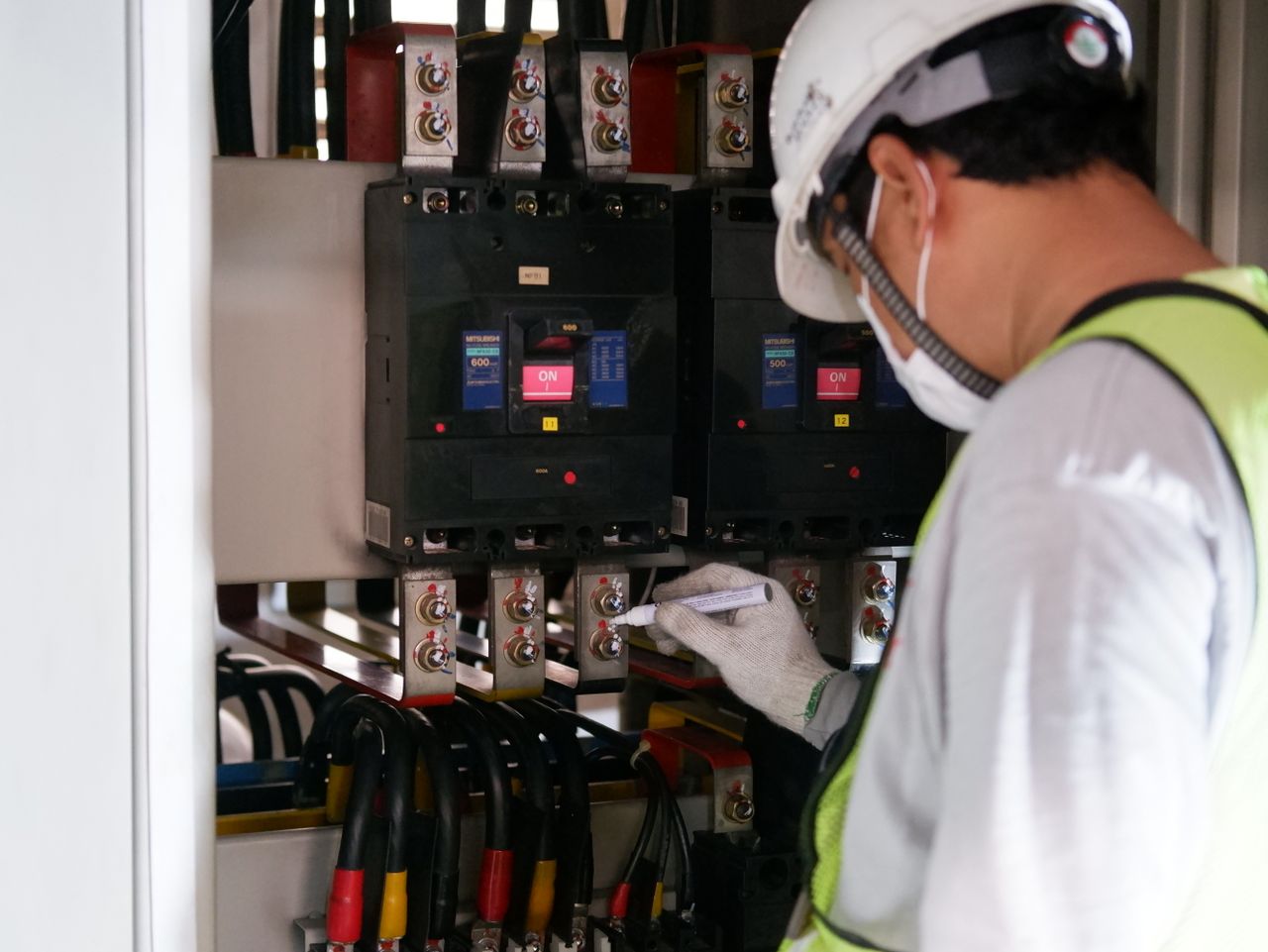
Most people achieve journeyman status in four to five years from their start date. That timeframe exists for clear reasons.
Some individuals jump into full-time training programs right after high school. Others spend one year in trade school, which may count toward required hours.
Certain applicants receive credit for prior job training programs. Conversely, others lose months to waitlists, seasonal layoffs, or relocation.
A steady schedule moves you through faster. Stop-and-start rhythms add calendar time even when the total hours are correct.
Once you've logged the required hours, you're eligible to sit for the journeyman exam, and passing it is what grants your journeyman license.
You cannot speed up the OJT clock, but you can sharpen your mind for the test. Taking mock exams and reviewing missed questions reduces the risk of retakes.
It varies. Here’s a table showing the requirements by state:
Two electrical apprentices can start on the same day and finish years apart. External elements and personal choices shape the years to complete this required training.
Here is what accelerates the journey and what slows it down over the years.
Local licensing rules shape your timeline through required OJT hours, renewal cycles, and continuing education (CE), and these numbers vary more than most guides admit:
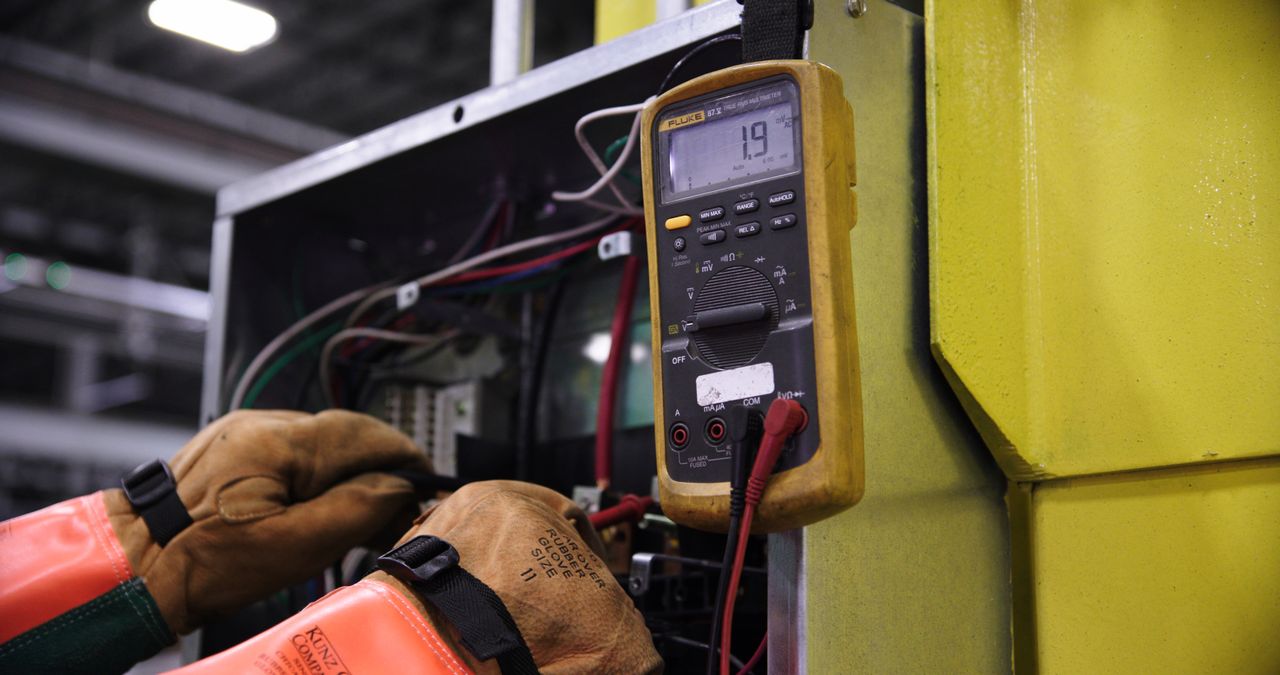
A steady, full-time routine moves faster than a part-time schedule. Life sometimes gets in the way of working as an electrician.
Family obligations, seasonal breaks, or scheduling conflicts can interrupt your path alongside other apprentices.
When work hours drop, study hours have to hold. Regular practice maintains momentum during rough patches.
Mobile tools make it easy for apprentices to review material during nights or weekends. Twenty questions a night for a month is 600 questions; enough to work through a fifth of Dakota Prep's 3,000+ NEC bank.
Waitlists, applicant volume, and limited program capacity can delay your start by several months. The best approach is to submit multiple applications.
Apply to union shops, non-union companies, and school-connected pathways in local programs. Starting early matters more than finding the perfect placement right away.
Put the waitlist to good use and build your confidence by familiarizing yourself with NEC articles and basic conduit bending concepts.
Once your hours start accruing, the exam is the one part of the timeline you still control. Texas and Massachusetts both set the passing score at 70%.
A candidate who keeps retaking the test can add up to a year and many hours to their timeline. Knowing how to bend conduit and passing a code-heavy exam are separate skills.
Hands-on experience builds physical ability. Dedicated study builds mental readiness for exams.
A structured approach works better than cramming material in one week for your education:
This framework works because it forces you into the code book instead of into a list of memorized answers.
Dakota Prep sharpens the one variable you control: whether you pass the first time. The platform carries 3,000+ NEC practice questions, with the bank filtered to your state.
Run a set, read the walkthrough on what you missed, then re-drill that topic until the answer is automatic. Dakota Prep apps are used by over 20,000 students across 80+ apprenticeship organizations and colleges.
Download now to access thousands of practice questions across electrical & plumbing for US and Canada